

News
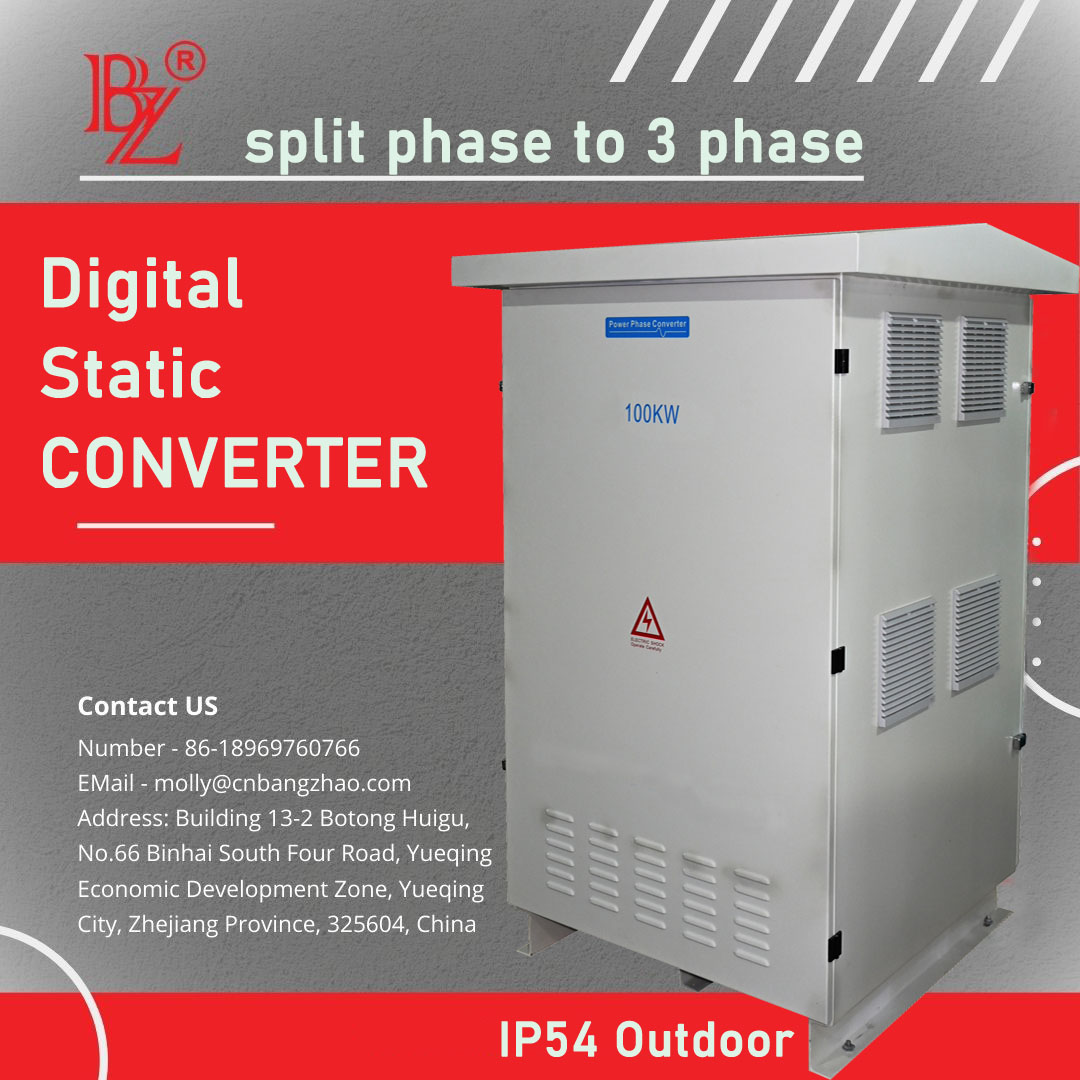
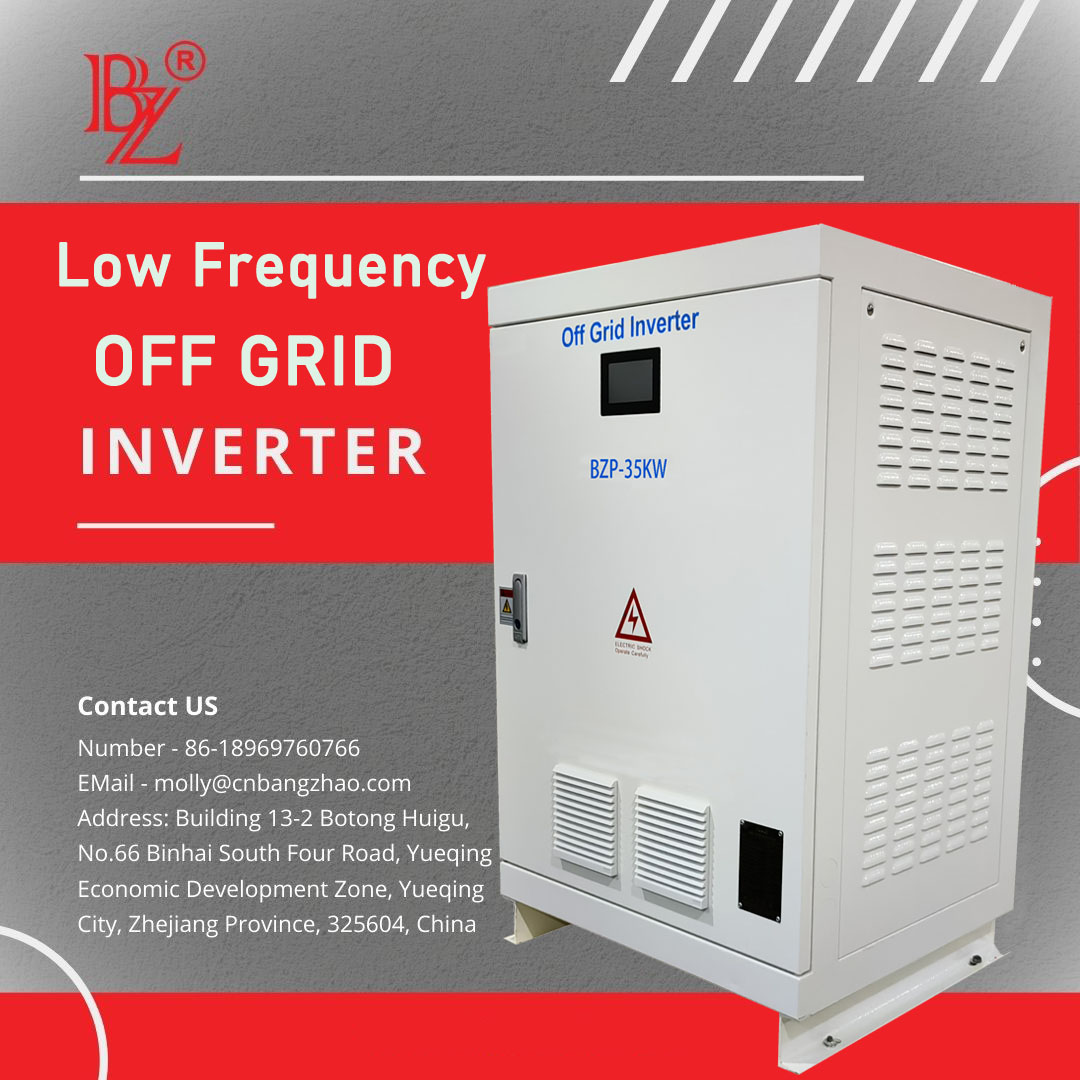
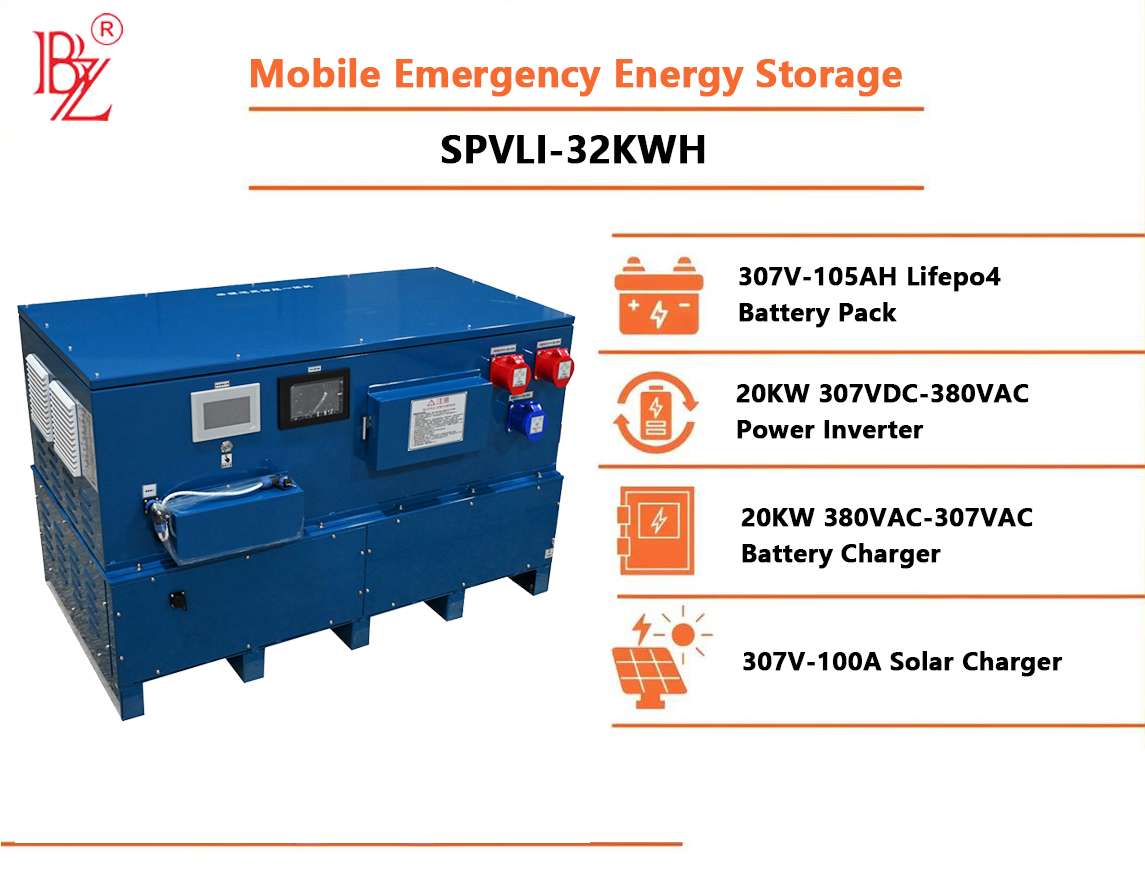
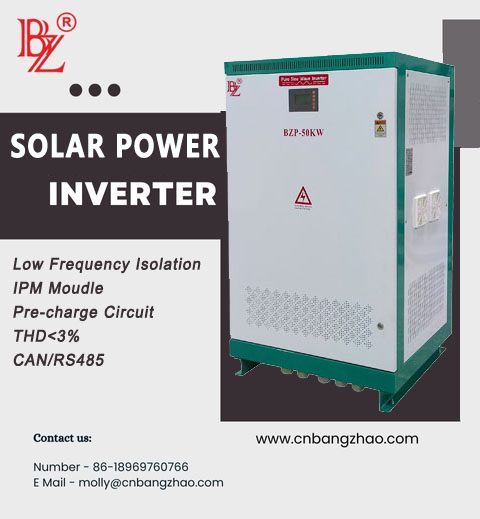
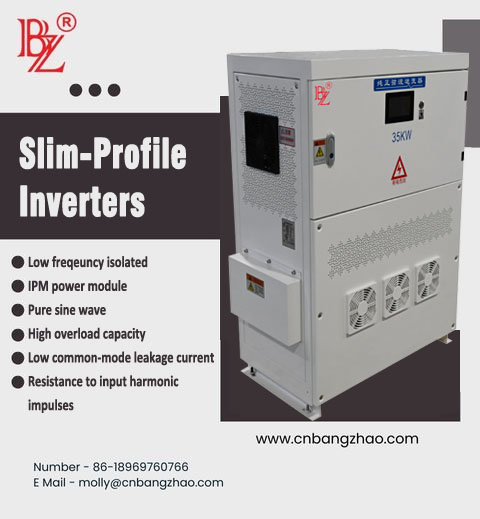
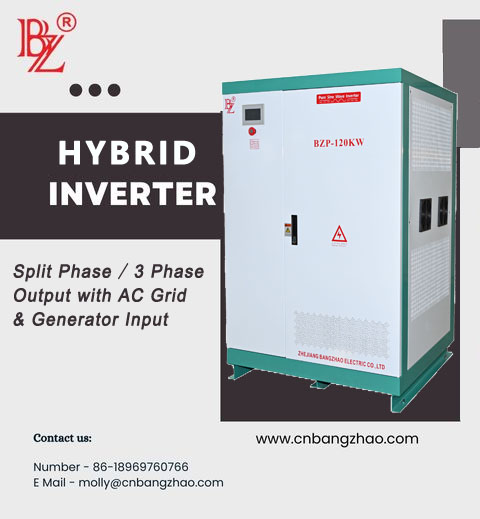
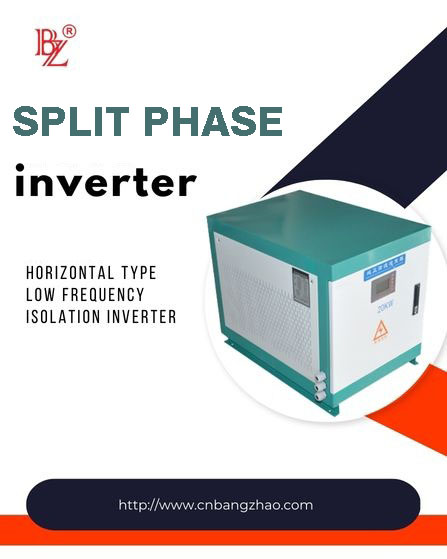
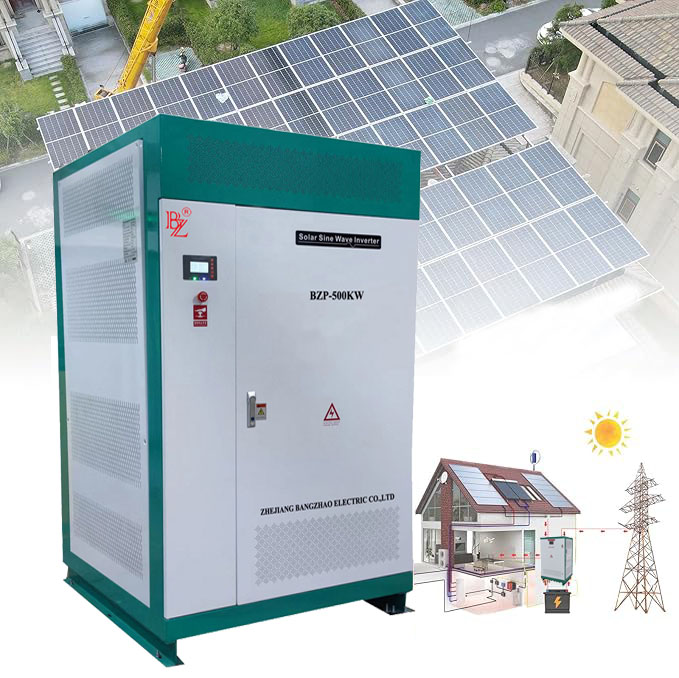
Frequency-isolated sine-wave inverter: The self-contained power supply at the heart of the system
I. Technical Principle: Precision Conversion from DC to AC
The operational principle of the mains-frequency isolated sine wave inverter can be broken down into four core modules:
DC Boosting and Isolation:
The input connects to DC power from batteries or photovoltaic controllers (e.g., 96V, 144V, 192V, 216V, 240V, 360V, 480V, 600V). This DC is converted to AC via a preceding push-pull circuit or full-bridge topology, enhancing efficiency.
Sine Wave Modulation and Inversion:
A DSP chip generates sinusoidal pulse width modulation (SPWM) signals to control the IPM module, inverting DC into AC with pulse widths varying according to a sinusoidal pattern. This achieves total harmonic distortion (THD) ≤3% in the output voltage.
Mains Frequency Isolation and Filtering:
A mains frequency transformer in the output stage provides electrical isolation between input and output, eliminating DC component interference with the load. This delivers a pure sine wave output.
Intelligent Protection and Voltage Regulation:
Integrated protection against overvoltage, undervoltage, overtemperature, and short circuits. Real-time adjustment of the SPWM duty cycle via feedback circuits ensures output voltage stability within ±2% and load regulation within ±5%.
II. Key Advantages: Stability, Reliability, and Compatibility
1. Output Waveform Comparable to Mains Power
Mains-frequency isolation design yields an output waveform approaching an ideal sine wave with minimal current fluctuations. Impact on inductive loads such as motors and compressors is significantly lower than modified sine wave inverters. Test data indicates that during air conditioner start-up, the current peak is only 2.5 times the rated value, substantially extending equipment lifespan.
2. Outstanding Shock Resistance
The high inductance (typically ≥10mH) of the mains frequency transformer suppresses voltage fluctuations caused by sudden load changes.
3. Broad Compatibility
Supports resistive loads (e.g., lighting, electric heaters), inductive loads (e.g., refrigerators, water pumps), and capacitive loads (e.g., LED lighting, switching power supplies) without requiring additional filters.
4. Enhanced longevity and reliability
Utilising H-class insulation materials (temperature resistance up to 180°C), these transformers are engineered for a service life exceeding 15 years.
III. Typical Application Scenarios
1. Off-grid Power Supply in Remote Areas
In mountainous regions without grid coverage, a system comprising photovoltaic panels, batteries, and a mains-frequency inverter can meet basic household electricity needs.
2. Industrial Standby Power
Facilities such as factory production lines and data centres demand uninterrupted power supply. Mains frequency inverters can form a ‘dual backup’ system with diesel generators, enabling 0ms switching during mains power failure to ensure critical equipment remains operational.
3. Outdoor Emergency Power
In mobile applications such as vehicles and vessels, mains frequency inverters can drive high-power equipment like welding machines and cutters. For instance, an engineering fleet equipped with 10kW mains frequency inverters draws power directly from vehicle batteries during field operations, replacing conventional diesel generators to reduce noise and fuel costs.