When you're on the hunt for the best Low Frequency Inverter, it’s really important to get a clear picture of what you actually need. These inverters can make life easier by boosting efficiency and performance across different setups. With so many brands out there, it can get pretty overwhelming trying to tell them apart — so, a bit of research goes a long way.
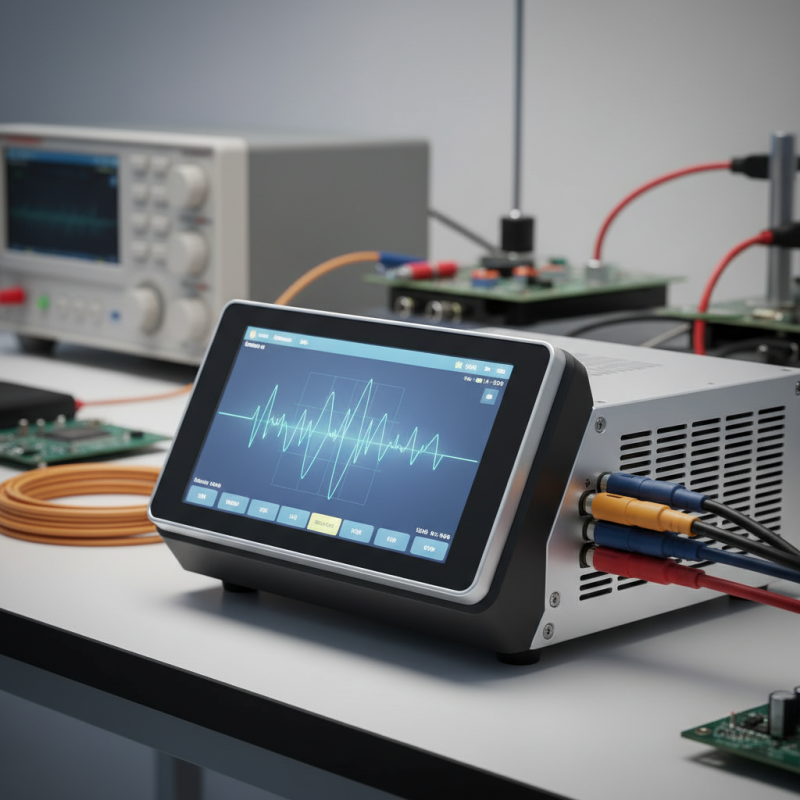
Think about what features matter most to you. For instance, a touchscreen digital variable frequency ultra-low frequency generator can be super handy because it offers an easy-to-use interface and really precise control. That’s a big plus if you need accuracy, no doubt. Also, don’t forget to check out models that are built to last and reliable. Sometimes, going for the cheapest option can backfire and cause more headaches down the line.
And honestly, hearing what other folks have to say can be a game-changer. Checking out customer reviews often helps you get a real sense of how well a certain inverter performs over time. A product with lots of good reviews usually indicates solid quality. But, at the same time, it’s always smart to weigh the pros and cons before making your pick. Remember, your choice isn’t just about performance now — it’s about long-term satisfaction and peace of mind.
Understanding Low Frequency Inverters and Their Applications
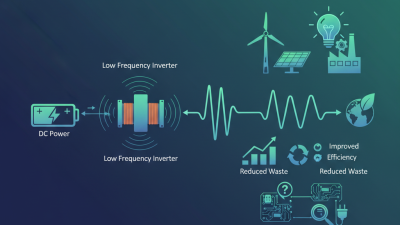
Low Frequency Inverter are vital devices used in various applications. They convert DC power into AC power, which is essential for running appliances. Understanding their functionality allows users to harness their benefits effectively. They can support multiple loads, from domestic use to industrial applications.
When selecting a low frequency inverter, it’s crucial to consider the intended application. Different setups may require different capacities. For instance, a home requiring backup power during outages may benefit from a different inverter than an industrial setup needing continuous operation. Not all low frequency inverters are created equal. Evaluating their efficiency in specific applications can ensure optimal performance.
The choice of a low frequency inverter can affect energy consumption. Selecting a model that doesn't meet your needs could lead to wasted resources or insufficient power delivery. Take time to research and reflect on your requirements. A wrong decision may lead to costly mistakes. Understanding the nuances of low frequency inverters can prevent this outcome.
Key Features to Look for in Low Frequency Inverters
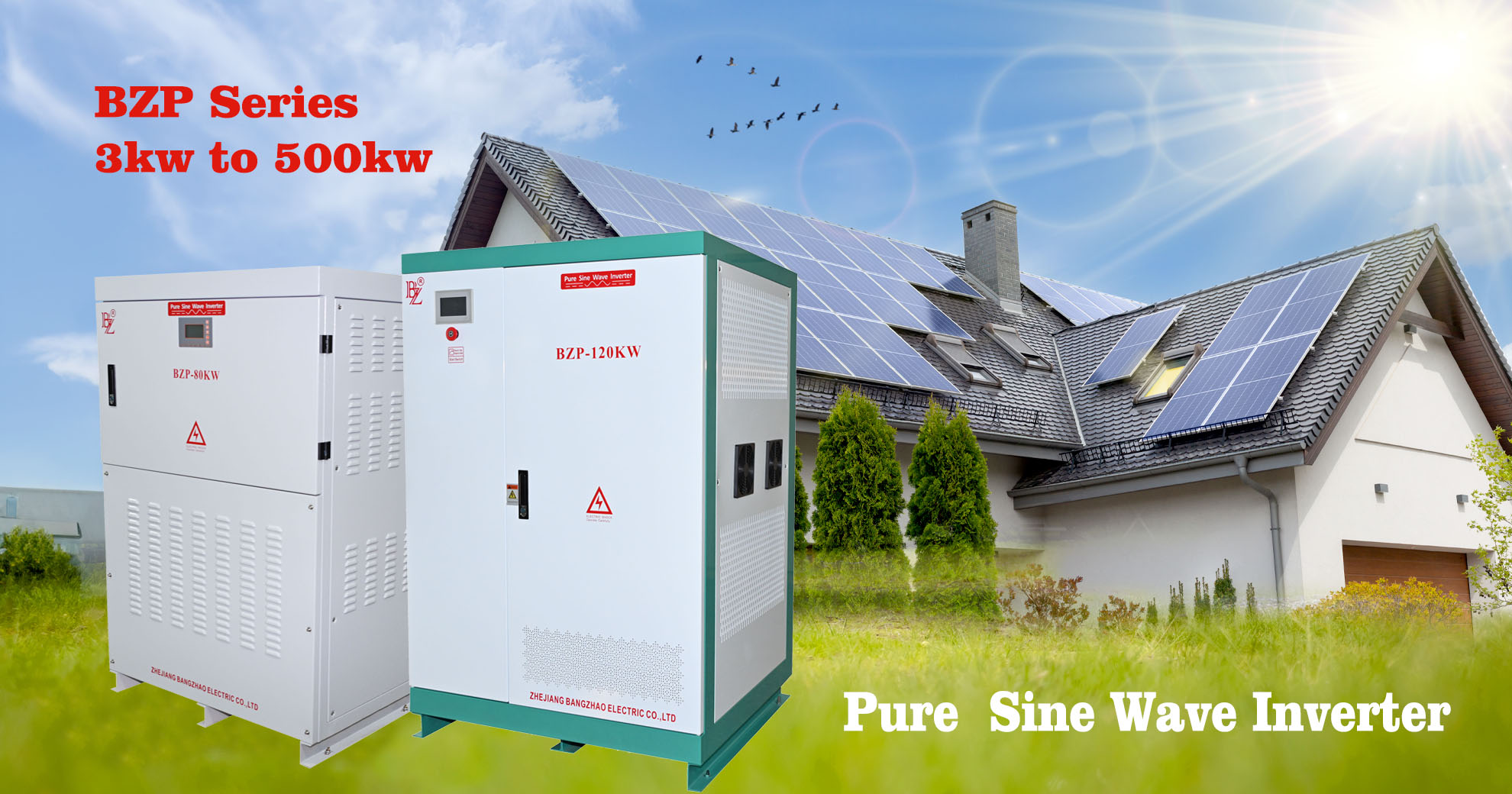
When selecting a low frequency inverter, several key features should be prioritized. One important factor is the inverter's capacity. Ensure it meets your power requirements, especially if using heavy-duty appliances. A 48v 10kw Low Frequency Power Inverter can handle high loads effectively. It’s essential to gauge the starting current of your devices. This can sometimes exceed their running current.
Another feature to consider is durability. Look for models designed to withstand harsh conditions. Inverter build quality impacts longevity. Metal casings generally offer better protection than plastic ones. Heat dissipation is also crucial; check if the unit has effective cooling mechanisms, like fans or heat sinks.
Tips: Gauge the inverter's efficiency rating. Higher efficiency means less wasted energy. Examine warranty offerings; longer warranties indicate reliability. Importantly, research customer feedback. It provides insights into real-world performance and possible issues. Not every model is perfect; some may lack critical features. Prioritize experience over marketing claims. Evaluate your specific needs before making a choice.
Assessing Your Power Requirements for Proper Inverter Sizing
Choosing the right inverter starts with understanding your power needs. Conducting a thorough assessment of your energy consumption helps prevent future issues. According to industry reports, approximately 30% of users underestimate their energy demands. This can lead to system failures or insufficient power supply.
Consider all devices you plan to connect to the inverter. Include their wattage and usage patterns. For example, if you have a refrigerator (200-800 watts) and some lights (60 watts each), the total can elevate quickly. Maintain a buffer of 20-30% to account for spikes in power usage. This ensures reliability without overloading your inverter.
Tip: Always check the starting versus running wattage of appliances. Some devices require extra power to start. These discrepancies matter in your inverter choice. Remember, not all applications are straightforward. Regular reviews of your power usage can reveal changing needs, prompting potential adjustments in your inverter capacity.
Comparing Different Low Frequency Inverter Brands and Models
When choosing a low frequency inverter, understanding the different brands can be overwhelming. Each manufacturer offers various models with unique features. To make an informed decision, consider comparing specifications closely. Look for factors such as efficiency ratings, output quality, and durability. Pay attention to user reviews and expert opinions. This will help you gauge reliability and performance.
Tips: Check the warranty details for each product. A longer warranty often indicates confidence in the product's durability. Don't overlook the availability of customer support. Reliable assistance can be crucial when issues arise.
Look into certifications that might be relevant to your application. For instance, if safety is a concern, consider a Low frequency explosion proof inverter. Ensure it meets the necessary safety standards for your environment. Reflect on your specific needs. Are you using the inverter for sensitive electronics, or do you need a robust unit for industrial applications? Understanding this will guide your choice effectively.
Evaluating the Build Quality and Reliability of Inverters
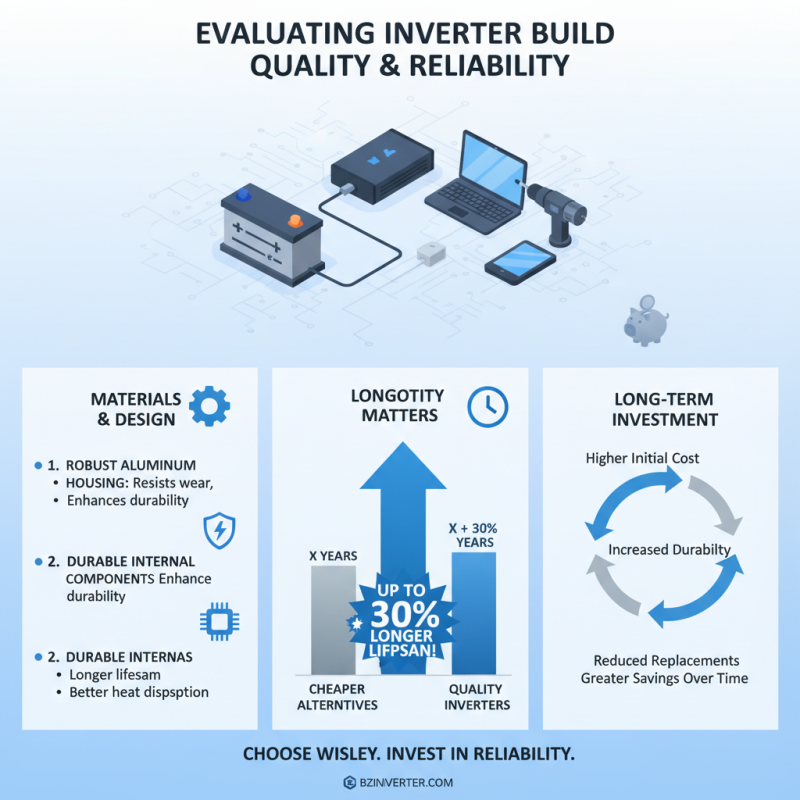
When evaluating the build quality and reliability of a Low Frequency Car Inverter, it’s essential to consider materials and design. High-quality inverters often use robust aluminum housings, resisting wear and enhancing durability. According to a recent industry report, inverters crafted from durable components last up to 30% longer than cheaper alternatives. This significant difference in longevity can influence your long-term investment.
Furthermore, reliability tends to correlate with thermal management features. Inverters equipped with advanced cooling systems reduce the risk of overheating, a common failure point. Clinical studies indicate that inverters with these systems can sustain 15% more load without failures. A detailed analysis of user reviews often reveals that many customers rank reliability as their top concern when choosing an inverter. Thus, understanding these factors helps in selecting a Low Frequency Car Inverter that can withstand the demands of various applications.
Still, it’s crucial not to overlook the importance of certification and performance ratings. Many low-quality inverters lack essential certifications, leading to potential safety hazards. Ignoring these certifications might result in costly damages. In some cases, consumers reflect on their choices, noting that not all models deliver the advertised performance. Therefore, thorough research into an inverter's specifications and reviews is necessary to avoid regrets later on.
Considering Installation and Maintenance Needs for Your Inverter
When considering an inverter, installation and maintenance are crucial. A proper installation ensures that your inverter operates effectively and safely. Choose a location that is dry, well-ventilated, and easily accessible. This helps with airflow to prevent overheating. Additionally, consider the proximity to power sources and appliances. It minimizes the length of wires, which can reduce power loss.
Routine maintenance is vital for longevity. Dust and grime can accumulate on components. Regularly inspect and clean your inverter. Check connections and cables for signs of wear. If you notice any anomalies, consult a professional. This could save you from more significant, costly issues down the road.
Take time to understand your inverter's requirements. Each model may have different maintenance needs. Document your findings, so you can track performance over time. This reflection can help identify when it’s time for an upgrade or replacement. The goal is to ensure consistent, reliable power for your needs.
How to Choose the Best Low Frequency Inverter for Your Needs? - Considering Installation and Maintenance Needs for Your Inverter
| Feature | Description | Importance | Maintenance Needs |
| Power Output | Measured in watts, determines the load the inverter can handle. | High | Requires periodic checks to ensure it meets demand. |
| Efficiency Rating | Percentage of input energy converted to output, affects energy costs. | High | Should be cleaned regularly to maintain high efficiency. |
| Input Voltage Range | Varies based on the application, critical for compatibility. | Medium | Check connections to prevent damage. |
| Size and Weight | Affects installation location and ease of handling. | Medium | Regular inspection for mounting stability. |
| Cooling System | Active or passive cooling to prevent overheating. | High | Check for dust and debris to ensure proper airflow. |
| Warranty | Length and conditions of the warranty provided. | High | Keep documentation accessible for maintenance claims. |
Cost vs. Value: Finding the Right Budget for Your Low Frequency Inverter
When selecting a low frequency inverter, understanding cost versus value is crucial. A recent industry report indicated that the average cost of low frequency inverters ranges from $200 to $1,500. Factors influencing price include power output, efficiency, and additional features. While a lower-priced option may seem attractive, it might lack reliability and durability.
Warranty and service support can significantly impact long-term value. An inverter with a five-year warranty may cost more upfront but can lead to savings over time. Data shows that inverters with stronger customer support have a 20% longer lifespan. It's essential to assess how much you're willing to invest.
Balancing budget and quality is not straightforward. Sometimes, you might pay less for an inverter that fails sooner. Evaluating the total cost of ownership offers a clearer picture. Remember, the cheapest option often isn't the best choice for your needs. Do your homework on efficiency ratings and user reviews to make an informed decision.
FAQS
: Start by evaluating your energy consumption. List all devices and their wattage to anticipate total demand.
Power spikes can cause overloads. Keeping a buffer of 20-30% protects your inverter from sudden surges in power.
Look for efficiency, output quality, and durability. Comparing specifications helps in making an informed choice.
Some appliances need extra power to start. Understand these differences to avoid underestimating your inverter requirements.
Reviews provide insight into reliability and performance. They help gauge which models work best for real-world applications.
A longer warranty usually indicates better durability. It shows confidence from the manufacturer in their product.
Check for safety certifications relevant to your application. This ensures the inverter meets necessary safety standards.
Yes, regular reviews of your power usage can reveal evolving demands. Adjust your inverter capacity as needed.
Reliable customer support is crucial. It can assist in troubleshooting or resolving issues effectively.
Consider the types of devices used. Sensitive electronics require different considerations than industrial applications.
Conclusion
When selecting the best Low Frequency Inverter for your needs, it's essential to first understand their basic functions and applications. These inverters are crucial for various power requirements, and knowing how to assess your unique demands will guide you in sizing appropriately. Key features, such as efficiency, durability, and the ability to handle varying loads, play a significant role in your decision-making process.
Next, comparing different Low Frequency Inverter models allows you to evaluate their build quality and reliability. Consider the installation and maintenance aspects, as well as how each option fits your budget while delivering value. By thoroughly assessing these factors, you can confidently choose a Low Frequency Inverter that meets both your technical specifications and financial constraints.